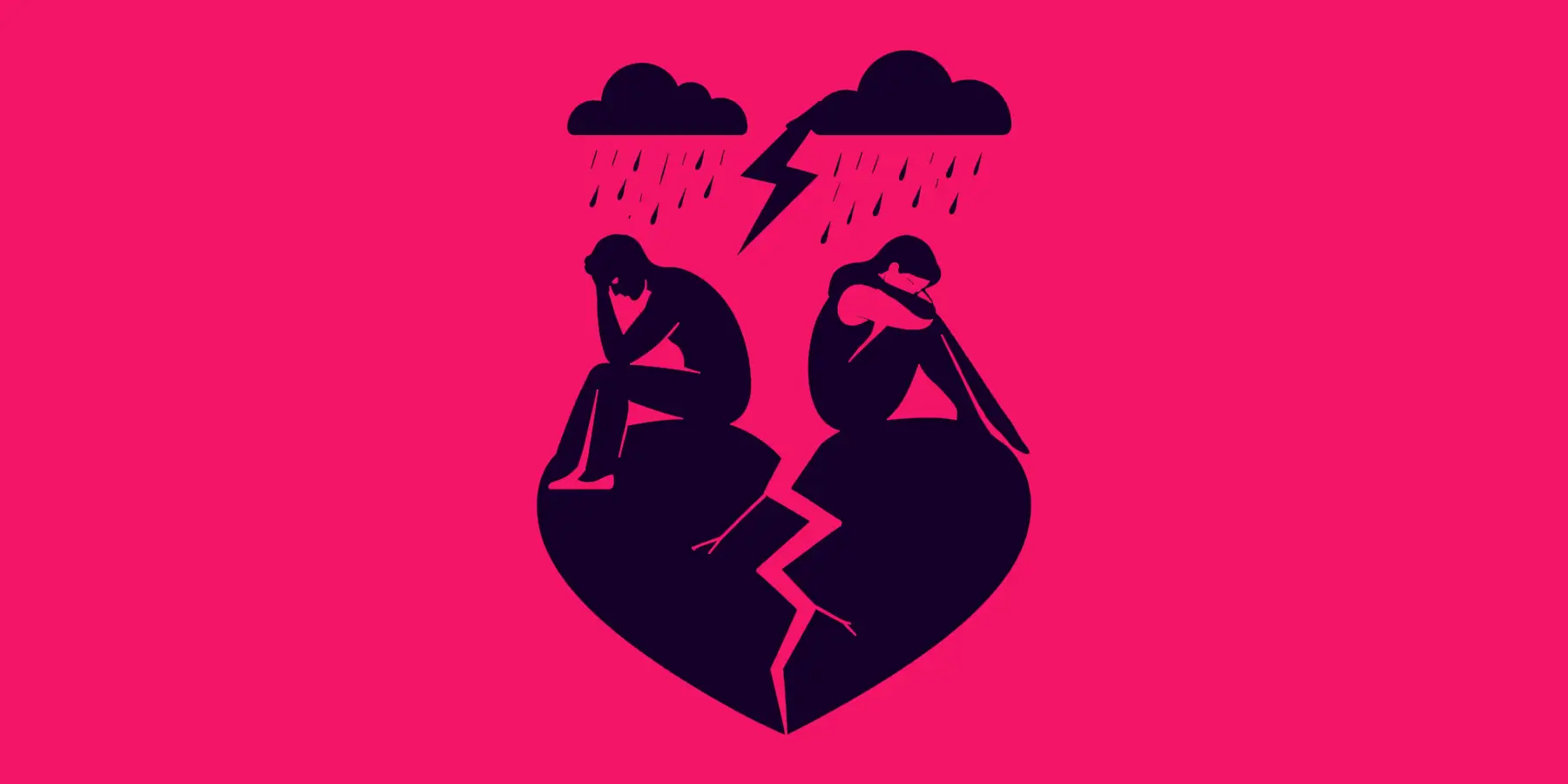
Understanding the Importance of Fighting Fair
Fighting fair is not just about avoiding hurtful words or actions; it is a fundamental aspect of maintaining a healthy relationship. Disagreements are natural, and how couples handle them can either fortify their bond or create long-lasting rifts. When couples engage in fair fighting, they establish a safe environment where both partners can express their feelings and perspectives without fear of backlash. This openness fosters trust and intimacy, allowing the relationship to grow stronger.
Engaging in fair fighting also teaches couples valuable lessons about communication and understanding. Rather than viewing conflicts as battles to win, couples can learn to see them as opportunities to understand each other better. This shift in perspective can lead to deeper emotional connections, as both partners work together to resolve issues.
In the context of tools like Pikant, couples can use guided challenges that promote open discussions about conflicts and disagreements. By integrating playful and respectful activities, partners can learn to address their issues while strengthening their intimacy.
Rule 1: Stick to the Issue at Hand
One of the most critical rules of fighting fair is to stay focused on the specific issue that triggered the disagreement. It is easy to spiral into discussing unrelated grievances from the past, which can escalate tensions and make resolution more difficult. When couples start bringing up old arguments or personal attacks, it diverts the conversation from finding a solution to merely scoring points against each other.
To effectively stick to the issue, couples should practice active listening. This means truly hearing what the other person is saying without formulating a response while they speak. A helpful technique is to summarize what your partner has said before responding to ensure that both parties are on the same page. By keeping the conversation focused, couples can work together toward a resolution without getting sidetracked.
Using tools like the Connection Challenge from Pikant can help partners stay focused during disagreements. The daily questions can gently guide couples towards discussing their feelings and conflicts in a constructive manner, helping to maintain clarity and purpose in their discussions.
Rule 2: Use "I" Statements Instead of "You" Statements
The way partners communicate during a disagreement can significantly affect the outcome. Utilizing "I" statements allows individuals to express their feelings and needs without sounding accusatory. For example, saying "I feel hurt when you don't listen to me" is less confrontational than saying, "You never listen to me." The latter can provoke defensiveness, while the former invites dialogue and understanding.
When using "I" statements, couples can articulate their feelings more clearly, which can help the other person understand their perspective without feeling attacked. This approach encourages vulnerability, which can deepen emotional intimacy between partners. The goal is to express personal feelings rather than point fingers, creating a safer space for dialogue.
Pikant encourages couples to explore their feelings through intimacy challenges. These prompts can help partners practice using "I" statements in a safe and structured environment, allowing them to become more comfortable with this communication style.
Rule 3: Avoid Name-Calling and Insults
Name-calling and insults can be extremely damaging to a relationship. When partners resort to derogatory language, it not only escalates the conflict but also creates lasting emotional scars. Name-calling undermines respect and trust, which are essential components of a healthy relationship. Instead of fostering intimacy, it drives a wedge between partners, making reconciliation more difficult.
During disagreements, it is essential to maintain a level of respect for one another. Couples should set boundaries regarding acceptable language and behavior during conflicts. One effective strategy is to establish a safe word or phrase that either partner can use when they feel a conversation is becoming disrespectful. This allows for a pause in the argument, giving both partners time to recollect themselves and return to the discussion with a more respectful mindset.
Incorporating playful activities, such as the Love Spinner game from Pikant, can also shift the energy during tense moments. Engaging in light-hearted games can remind couples of their affection for each other, diffusing tension and allowing for more constructive conversations.
Rule 4: Take a Break When Needed
Sometimes, emotions can run high during disagreements, making it difficult to communicate effectively. When this happens, taking a break can be beneficial. Stepping away from the situation allows both partners to cool down and reflect on their feelings without the heat of the moment clouding their judgment.
Taking a break does not mean avoiding the issue altogether; instead, it is about creating space to gather thoughts and emotions. Couples should agree on a specific timeframe for the break and come back to the discussion with a clearer mindset. This break can also serve as an opportunity for each partner to consider the other’s perspective, promoting empathy and understanding.
In the context of Pikant, couples can explore intimacy ideas that focus on reconnecting during or after a break. Engaging in a shared activity or challenge can help reignite the emotional connection and remind partners of their love for one another.
Rule 5: Focus on Solutions, Not Blame
While it may be tempting to point fingers during a disagreement, it is far more productive to focus on finding solutions. Couples should work together to identify what they can do differently moving forward instead of dwelling on who is at fault. This collaborative approach fosters teamwork and reinforces the notion that both partners are invested in the relationship’s success.
To effectively shift the focus to solutions, couples can ask themselves questions like, "What can we do to prevent this issue from arising again?" or "How can we support each other better in the future?" This not only helps in resolving the immediate conflict but also strengthens the relationship by encouraging partners to work together toward common goals.
Utilizing the AI-generated challenges from Pikant can provide couples with creative solutions to enhance their relationship. By exploring different scenarios and prompts, partners can discover new ways to address conflicts and improve their dynamic.
Rule 6: Acknowledge Each Other's Feelings
Validating your partner's feelings is a crucial aspect of fighting fair. Even if you do not agree with their perspective, acknowledging their emotions shows that you respect their experience. This validation can reduce defensiveness and open the door to more meaningful communication.
To acknowledge feelings, active listening is vital. Couples should practice reflecting back what their partner has expressed, ensuring they feel heard and understood. Phrases like, "I understand that you feel hurt by what I said" or "It makes sense that you are frustrated" can go a long way in diffusing tension and fostering empathy.
Incorporating intimacy challenges that encourage emotional expression can help couples strengthen this aspect of their communication. By prioritizing emotional closeness, partners can create a deeper understanding of one another, ultimately leading to a stronger relationship.
Rule 7: End with Affection
After resolving a disagreement, it is essential to reconnect with affection. Ending on a positive note reinforces the bond between partners and reminds them of their love for one another. This can be as simple as a hug, a kiss, or a shared laugh to lighten the mood after a tense discussion.
Affection not only helps to mend any hurt feelings but also solidifies the idea that conflicts do not have to define the relationship. Couples should make it a point to express love and appreciation for one another, regardless of the disagreement that just took place. This practice can lead to a healthier dynamic where both partners feel secure and valued.
Pikant can facilitate this reconnection through its rewards system, allowing couples to unlock meaningful experiences that promote intimacy and affection. Whether it is planning a surprise date night or indulging in a favorite activity together, these moments of connection can help reinforce the positive aspects of the relationship after a conflict.